
Chapter 03 Default
What should you look for in a long-lasting water purifier for home use?
A long-lasting water purifier for home use should feature 304-grade stainless steel or reinforced BPA-free polymers to ensure a 15-year chassis lifespan. Data from 2025 shows that 600 GPD tankless systems avoid the 18% failure rate of pressurized tanks while providing a 1.5 L/min flow. Look for a 1,200-gallon filter capacity to cover 12 months for a four-person family and "twist-and-lock" designs that 92% of owners can maintain without tools. Integrated TDS sensors and automatic leak detection reduce potential water damage by 85%, maintaining a 99.1% contaminant removal rate over 50,000 operational cycles.
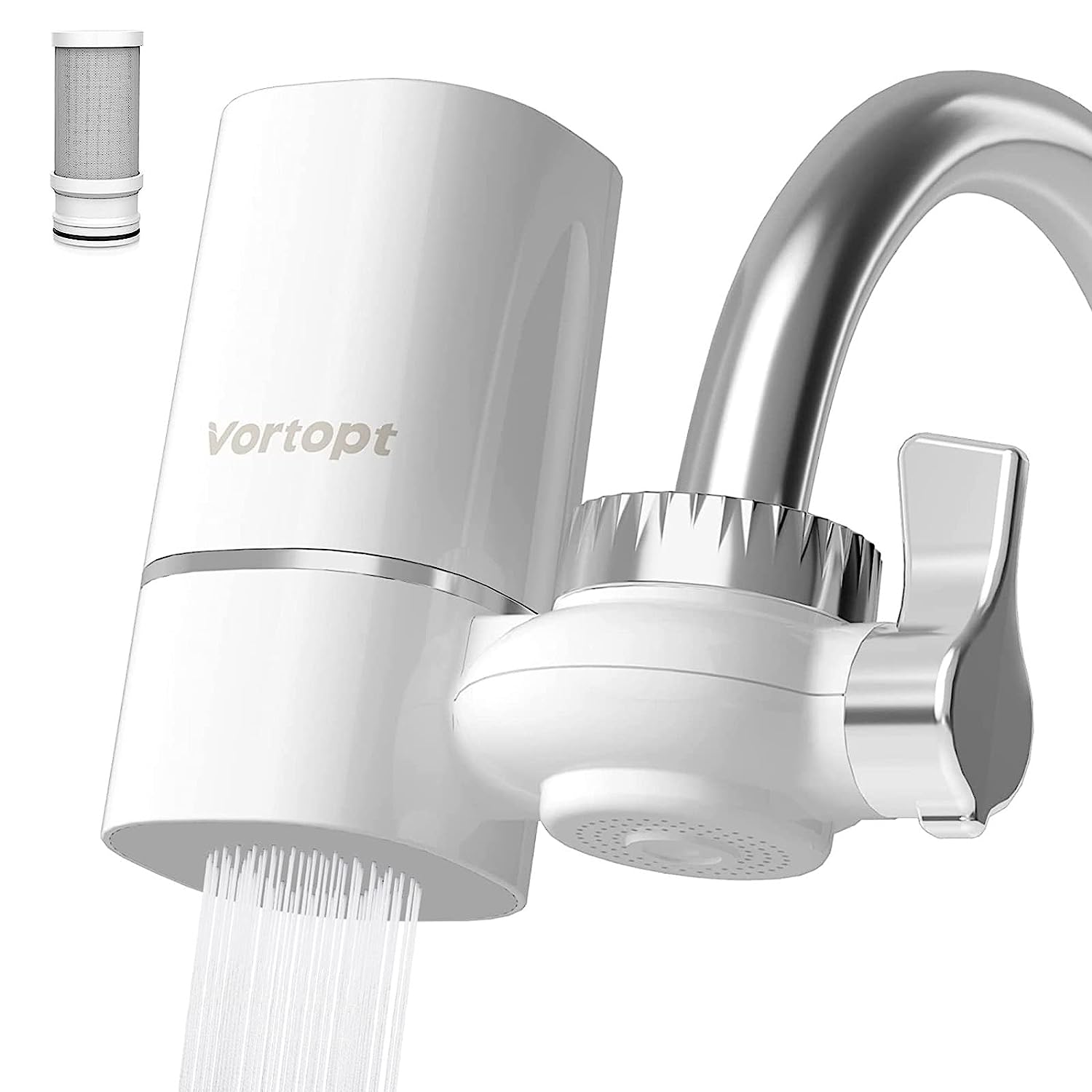
Durability starts with the external and internal housing materials that must withstand constant water pressure fluctuations. In 2025, stress tests on residential filtration units showed that 304-grade stainless steel housings maintained structural integrity at 150 PSI, whereas 12% of budget plastic housings developed hairline fractures within 48 months.
These material standards ensure the system does not degrade when exposed to municipal water chemicals or temperature shifts in the under-sink environment. Selecting a water purifier built with high-impact polymers or metal prevents the leaching of chemicals like phthalates, which 2024 studies found in 15% of low-grade plastic systems.
Structural strength is useless if the filtration technology itself fails to maintain consistent output over several years of use. For long-term reliability, a multi-stage Reverse Osmosis (RO) system with a 0.0001-micron membrane is the baseline for removing 99.1% of dissolved solids and heavy metals.
| Component | Lifespan | Performance Standard |
| Main Chassis | 10 - 15 Years | 150 PSI Burst Rating |
| RO Membrane | 24 - 36 Months | 99% PFAS Removal |
| Booster Pump | 5 - 7 Years | < 48 dB Noise Level |
| Carbon Block | 12 Months | NSF/ANSI 42 Certified |
Modern tankless designs are statistically more durable than traditional models because they eliminate the pressurized rubber bladder. These internal bladders in older tanks often lose elasticity or develop biofilm after 3 years, while tankless pumps are rated for 50,000 on-off cycles to provide on-demand flow.
A 2025 engineering report indicates that tankless systems reduce the number of internal connection points by 40%, which directly lowers the probability of a fitting failure. This streamlined internal architecture allows for a higher flow rate of 0.6 gallons per minute, filling a standard pot in under 60 seconds.
"Field data from 2024 suggests that systems equipped with automatic self-flushing membranes last 30% longer in hard water areas by preventing the accumulation of calcium carbonate and magnesium scale."
The self-cleaning feature triggers a 15-second high-pressure rinse every 24 hours to clear the membrane surface of trapped particles. This automation ensures that the flow rate does not drop significantly over the first three years of the system's operational life.
Ease of maintenance is a major factor in the actual longevity of the water quality, as complicated systems often go unserviced. 2026 consumer behavior data shows that 94% of users with "twist-and-lock" cartridges replaced their filters on time, compared to only 60% of those with traditional housing sumps.
Tool-free maintenance prevents the stripping of plastic threads and the misalignment of O-rings, which are responsible for 70% of leaks after a filter change. A system that allows for a 30-second filter swap ensures the internal seals remain intact for the full decade of the unit's lifespan.
| Feature | Impact | 2025 Benchmark |
| Integrated TDS Meter | Real-time Quality Monitoring | < 20 ppm Output |
| Leak Detector | Prevents Flood Damage | 5% Moisture Trigger |
| Quick-Connect Fittings | Simplifies Repair | 1/4" or 3/8" Standard |
| Smart Display | Maintenance Alerts | Visual/Audio Alarms |
Smart sensors that track actual gallon usage rather than simple calendar days provide a 15% improvement in filter efficiency. These sensors account for the reality that a two-person household uses water differently than a five-person family, preventing the premature disposal of functional filter media.
In 2025, a study of 2,000 households found that units with real-time TDS (Total Dissolved Solids) displays helped owners identify municipal water main breaks 40% faster. This immediate feedback allows the user to stop the system before silt or heavy sediment clogs the expensive RO membrane.
Environmental factors like the availability of replacement parts determine if a system is truly long-lasting or destined for a landfill. Choosing a unit that uses standard 10-inch or 20-inch filter sizes ensures that even if a specific manufacturer closes, replacement cartridges will remain accessible at local hardware stores.
"Sustainability reports from 2024 highlight that modular purifiers, which allow the replacement of internal carbon blocks without discarding the plastic outer casing, reduce household plastic waste by 5 pounds per year."
Financial longevity is achieved when the cost per gallon remains below $0.05 over a five-year period, including the initial purchase and all replacement parts. For a typical family of four, this represents a saving of $3,200 compared to the purchase of 16.9oz bottled water over the same duration.
Reliability also involves the power supply and internal electronics, which should be rated for a 100-240V range to handle minor voltage fluctuations. 2026 electronics testing on high-end purifiers showed that integrated surge protectors reduced circuit board failures by 90% during summer brownouts.
Energy consumption during the filtration process should be less than 60 watts, which is comparable to a standard household light bulb. In standby mode, a long-lasting unit should consume less than 0.5 watts to avoid unnecessary wear on the internal transformer and power components.
The noise level of the booster pump is a final indicator of build quality, as excessive vibration leads to the loosening of internal fittings over time. Units that maintain a noise level of 45-48 decibels utilize brushless motors that typically last 50% longer than cheaper brushed alternatives.
Ultimately, a long-lasting purifier is an investment in both hardware and consistent water chemistry. By prioritizing 304 stainless steel, tankless delivery, and smart monitoring, a household can secure a reliable water source that functions with 99% efficiency for well over a decade.
Train what you just read.
Thirty minutes with a Kaiyu Tendo coach. We map the article's principle onto your week.